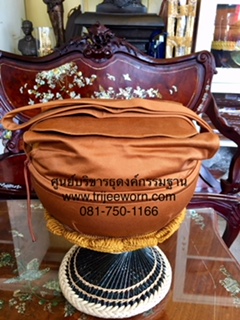
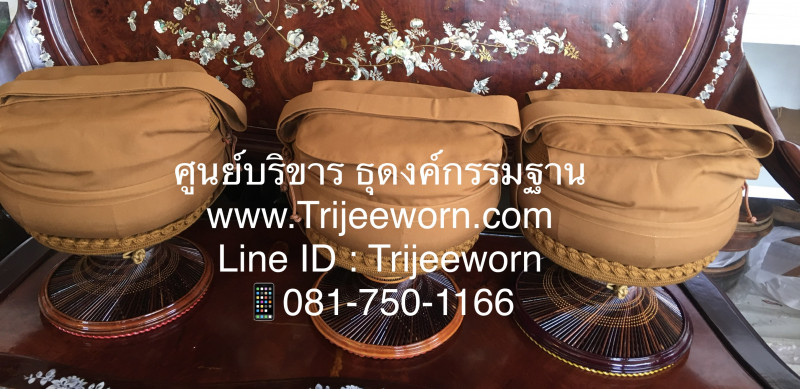
อังสะ คือผ้าที่ภิกษุสามเณรสวมเฉวียงบ่า เรียกว่า ผ้าอังสะ
อังสะ เป็นผ้าที่มีลักษณะเหมือนสไบเฉียงของผู้หญิง คือมีบ่าด้านเดียว เย็บติดกันด้านหนึ่ง อีกด้านหนึ่งติดกระดุมบ้าง ติดสายสำหรับผูกให้กระชับในเวลาสวมบ้าง ติดกระเป๋าไว้ด้านหน้าบ้าง ด้านที่เย็บติดกันบ้าง เวลาใช้ สวมปืดบ่าซ้าย เปิดบ่าขวา
อังสะ มีคติเหมือนเสื้อกล้ามหรือเสื้อชั้นใน ใช้สวมใส่ขณะอยู่ตามลำพังหรือทำงานเพื่อไม่ให้ดูเปลือยกายท่อนบน สมัยพุทธกาลไม่ปรากฏว่ามีการใช้ผ้าอังสะ แม้ในประเทศไทย พระสงฆ์สมัยเก่าก็ไม่นิยมสวมอังสะ คงถือคติแบบชายไทยสมัยโบราณที่ไม่นิยมสวมเสื้อเวลาอยู่ตามลำพัง
อังสะ มิใช่บริขารของภิกษุ สามเณรแต่เดิม เป็นของภิกษุณี สามเณรี และสิกขมานาเนื่องจากเป็นสตรีจึงต้องมีเสื้อหรืออังสะใส่เพื่อปกปิดถันเอาไว้ และยังมีผ้าพันถัน รวมถึงผ้านิสีทนะผ้า3ชาย (ที่มักอธิบายกันว่าเป็นผ้าปูนั่งหรือสันถัต) นุ่งเช่นเดียวกับผ้าเตี่ยว (เหมือนกางเกงใน) เมื่อมีประจำเดือนจะใช้ห่อผ้าซับเลือด (ดุจผ้าอนามัยสมัยนี้)
Shoulder Cloth , Aṅgsa (Thai 'Angsa')
The Aṅgsa is a fairly-sized rectangular piece of cloth, used by both novice monks and those fully ordained.
It is similar to a a woman's shawl, but covers the left shoulder only, joined by fasteners or a button positioned at the lower right abdomen. Sometimes it's worn more tightly. It's sewn from one piece of cloth, and includes a pocket in the front, occasionally. The left shoulder can also be pulled up when necessary, exposing the left shoulder.
It can be looked at as having the appearance of a muscle shirt, or the use of an undershirt. It is used when one is alone, or working, for the purpose of not having an unclothed appearance (due to the left shoulder being covered). In the era of the Buddha, the shoulder cloth was not used. Even in the older era of Thailand, the Aṅgsa was not commonly used amongst the Sangha of monks. It probably became a traditional men's clothing option during the older era of Thailand in which it wasn't common to wear an upper-garment while alone.
Normally, the Aṅgsa isn't a requisite of a Buddhist monk, or novice monk, but that of a female monk, or novice, and laypeople undertaking Buddhist precepts who are women. They will probably use a shirt or a shoulder cloth for the purpose of concealing their upper chest area, while still having it fastened. Including the sitting cloth, or nisīdana, similar to underwear, when it is the 'time of the month' will use to wrap and cover sanitary napkins, as used in the present.